Improving Workplace Safety with Smart Detection Technology
Industrial workplaces are becoming more advanced every year, and safety systems are evolving alongside them. Modern factories, warehouses, and automated facilities now depend on intelligent technologies that help reduce accidents and improve operational efficiency. As machines move faster and production lines become more automated, the need for accurate monitoring systems continues to grow. Businesses are now focusing on equipment that not only increases productivity but also protects employees from unnecessary risks during daily operations.
The Growing Importance of Industrial Safety Systems
Workplace safety has become one of the most critical priorities in industrial environments. Manufacturing plants often include heavy machinery, automated robotic systems, and high-speed equipment that can create dangerous conditions if not properly monitored. Traditional safety methods may no longer provide the level of protection needed in modern facilities. This is why advanced detection systems are now widely used to identify movement, obstacles, and human presence in hazardous areas before accidents occur.
Companies are investing in smart safety technologies to create safer and more efficient workplaces. These systems help reduce downtime, prevent injuries, and maintain compliance with safety regulations. A safer workplace also improves employee confidence and overall productivity.
How Detection Technology Supports Automation
Automation has transformed industrial operations by improving speed and accuracy. However, automated systems require reliable monitoring solutions to operate safely around workers. Sensors and scanning devices now play an important role in maintaining balance between productivity and protection. These technologies continuously monitor surroundings and react instantly when an unsafe condition is detected.
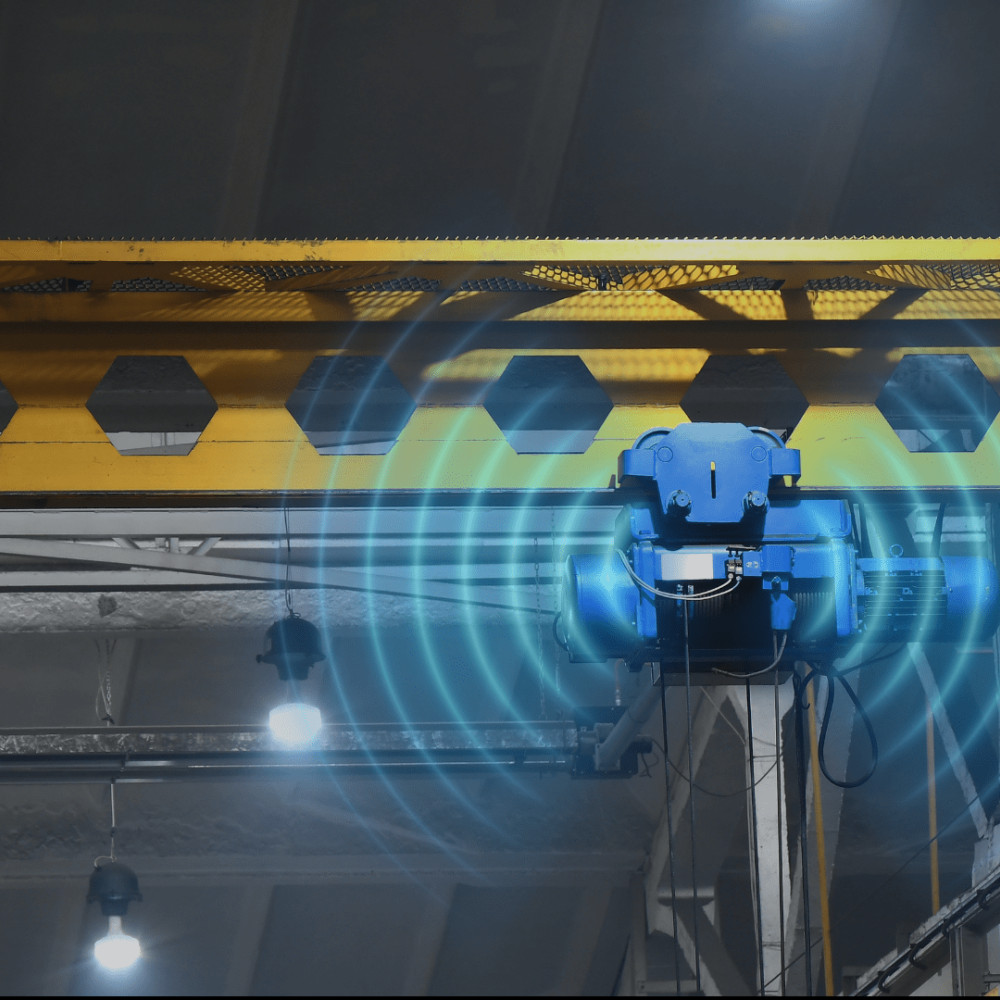
An object detection sensor is commonly used in automated facilities to identify the presence of nearby objects or individuals. These sensors help machines avoid collisions and support smooth operation in areas with constant movement. They are designed to respond quickly, allowing equipment to slow down or stop whenever an obstacle enters a restricted zone. This improves both operational safety and equipment reliability.
Creating Safer Work Environments with Smart Monitoring
Modern safety systems are designed to provide real-time awareness of workplace conditions. In large industrial spaces, workers and machines often operate close to each other, increasing the possibility of accidents. Intelligent monitoring systems help minimize these risks by maintaining continuous surveillance of designated safety areas.
A safety laser scanner is widely used in industrial facilities where precise area monitoring is required. It creates protective zones around machinery and detects movement within those zones. When someone enters a restricted area, the scanner can immediately trigger a response such as slowing or stopping equipment. This quick reaction helps prevent injuries and supports a more controlled working environment.
These systems are especially valuable in warehouses, robotic assembly lines, and automated transport systems where constant movement takes place throughout the day.
The Benefits of Advanced Safety Technology
Advanced detection systems offer several advantages beyond accident prevention. Businesses that adopt smart safety equipment often experience improved operational efficiency and reduced maintenance costs. When machines can detect obstacles early, they are less likely to experience damage caused by collisions or unexpected interruptions.
Another major advantage is improved workflow management. Safety technologies help maintain smooth movement within production areas while ensuring workers remain protected. Employees also feel more secure when working in environments equipped with reliable monitoring systems. This positive atmosphere can contribute to better performance and increased job satisfaction.
In addition, modern safety systems are highly adaptable. They can be integrated into various industrial setups, from small manufacturing units to large-scale automated facilities. Their flexibility allows businesses to improve safety standards without significantly disrupting existing operations.
Future Trends in Industrial Safety Solutions
As industries continue to adopt automation and smart manufacturing practices, safety technologies will become even more advanced. Future systems are expected to include improved artificial intelligence capabilities, faster response times, and greater integration with automated networks. These developments will help industries create workplaces that are not only more productive but also far safer for employees.
Businesses are increasingly recognizing that safety and efficiency go hand in hand. Investing in advanced monitoring systems allows organizations to reduce risks while supporting long-term operational growth. Smart detection technologies are likely to remain an essential part of modern industrial infrastructure for years to come.
Conclusion
Industrial environments require reliable safety systems to support modern automation and protect workers from potential hazards. Technologies such as intelligent sensors and scanning devices help create safer workplaces while improving operational performance. By adopting advanced monitoring solutions, businesses can maintain productivity, reduce risks, and build a more secure working environment for the future.
Comments
Post a Comment