Distance Sensors: Enhancing Precision and Efficiency in Modern Industries
Introduction to Distance Sensors
In today’s technology-driven world, accurate measurement and automation are essential for improving productivity and operational efficiency. One of the most important technologies supporting these advancements is distance sensors. These devices are designed to detect, measure, and monitor the distance between an object and a reference point without requiring physical contact. Their ability to provide precise measurements makes them valuable across various industries, including manufacturing, robotics, logistics, automotive, and construction. As industries continue to adopt automation, the demand for reliable distance sensors continues to grow.
How Distance Sensors Work
Distance sensors operate using different technologies such as laser, ultrasonic, infrared, and optical measurement methods. Depending on the application, these sensors emit a signal toward an object and calculate the distance based on the time it takes for the signal to return. This process allows for highly accurate measurements, even in environments where manual measurement would be difficult or impractical. The versatility of distance sensors enables them to function effectively in both simple and highly complex industrial systems.
The Importance of Industrial Sensors in Automation
Automation has become a key factor in modern industrial operations, and industrial sensors play a critical role in enabling this transformation. Industrial sensors are used to monitor conditions, collect data, and control machinery with minimal human intervention. Among the various types of industrial sensors available, distance sensors are particularly valuable because they help ensure precision in positioning, object detection, and quality control processes. Their ability to deliver real-time information contributes to smoother operations and improved productivity.
Applications in Manufacturing and Production
One of the most common uses of distance sensors is within manufacturing environments. These sensors help monitor production lines, verify product dimensions, and ensure accurate positioning of components during assembly. By integrating distance sensors into automated systems, manufacturers can reduce errors, improve product quality, and increase production speed. Industrial sensors also assist in detecting abnormalities during manufacturing, allowing operators to address issues before they become significant problems.
Benefits for Safety and Efficiency
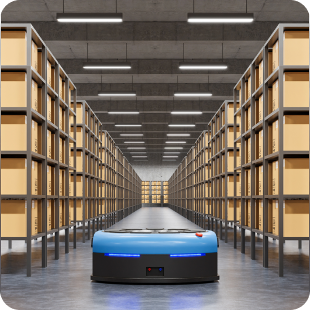
Safety is a major concern in industrial settings, and distance sensors contribute significantly to creating safer work environments. They can detect the presence of objects or personnel near moving equipment, helping prevent accidents and collisions. In warehouses and automated facilities, industrial sensors are often used to guide robotic systems and automated vehicles safely through designated paths. This combination of safety and efficiency makes these technologies essential for modern operations.
Advancements in Sensor Technology
Recent technological developments have significantly improved the performance of distance sensors. Modern sensors offer greater accuracy, faster response times, and enhanced durability in challenging environments. Many industrial sensors are now equipped with smart features that allow them to communicate with control systems and provide detailed performance data. These advancements support predictive maintenance, real-time monitoring, and more efficient decision-making processes across various industries.
The Future of Distance Measurement Technology
As industries continue to embrace digital transformation, the role of distance sensors will become even more important. Emerging technologies such as artificial intelligence, machine learning, and the Industrial Internet of Things (IIoT) are creating new opportunities for sensor integration. Distance sensors and other industrial sensors will play a vital role in supporting smart factories, autonomous systems, and advanced manufacturing processes. Their ability to provide accurate and reliable data will remain essential for driving innovation and operational excellence.
Conclusion
Distance sensors have become indispensable tools in modern industry, providing accurate measurements that improve productivity, safety, and efficiency. As a key category of industrial sensors, they support a wide range of applications from manufacturing and logistics to robotics and automation. With ongoing advancements in technology, distance sensors will continue to shape the future of industrial operations, helping businesses achieve greater precision and performance in an increasingly automated world.
Comments
Post a Comment