How Advanced Sensor Technologies Are Transforming Modern Detection Systems
Understanding the Evolution of Sensor Technology
Sensor technology has rapidly evolved over the past decade, becoming a crucial part of modern automation and intelligent systems. From simple motion detectors to highly sophisticated sensing solutions, the journey has been remarkable. These technologies now play a vital role in industries such as automotive, robotics, security, and smart infrastructure. The need for precision, speed, and reliability has driven continuous innovation. As a result, sensors today are not just passive components but active systems capable of analyzing and interpreting complex environments in real time.
The Role of Precision in Modern Detection Systems
Accuracy is one of the most important factors in any detection system. Modern applications demand precise measurement and quick response times, especially in environments where safety and efficiency are critical. Sensors are now designed to capture detailed spatial and environmental data, allowing machines to make better decisions. Whether it is detecting obstacles or mapping surroundings, precision ensures smooth and reliable operation. This has significantly improved performance across industries, making sensor-based systems more dependable and effective in real-world scenarios.
How 3D LiDAR Sensors Enhance Spatial Awareness
One of the most significant advancements in sensing technology is the development of 3D lidar sensors These sensors use laser light to measure distances and create detailed three-dimensional maps of the surrounding environment. This capability allows systems to detect objects, understand depth, and navigate complex spaces with high accuracy. They are widely used in autonomous vehicles and robotics, where understanding the environment is essential. By providing real-time spatial data, these sensors help machines operate safely and efficiently, even in dynamic and unpredictable conditions.
Improving Safety Through Intelligent Detection
Safety has always been a primary concern in technology-driven systems. Advanced sensors contribute significantly to improving safety by detecting potential hazards before they become critical. Modern detection systems are equipped with features that allow them to respond instantly to changes in the environment. This proactive approach reduces risks and enhances overall system reliability. Whether used in industrial settings or public spaces, intelligent detection ensures that systems can adapt quickly, minimizing the chances of accidents and improving user confidence.
The Importance of Object Recognition Capabilities
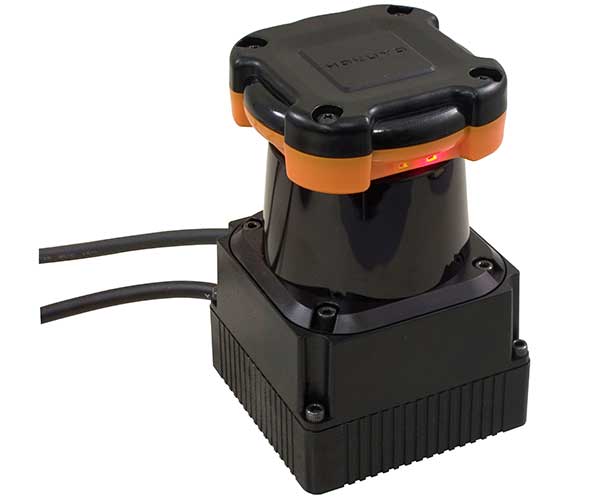
In addition to sensing the environment, recognizing and identifying objects is equally important. The integration of object detection sensor technology allows systems to differentiate between various objects and respond accordingly. This capability is essential in applications such as surveillance, traffic management, and automated manufacturing. By analyzing shapes, sizes, and movement patterns, these sensors enable systems to make informed decisions. This not only improves efficiency but also enhances the overall functionality of intelligent systems in complex environments.
Future Trends in Sensor Technology
The future of sensor technology looks promising, with continuous advancements aimed at improving performance and reducing costs. Emerging trends include the integration of artificial intelligence and machine learning with sensing systems. This combination allows sensors to learn from data and improve their accuracy over time. Additionally, miniaturization and energy efficiency are becoming key focus areas. As technology continues to evolve, sensors will become even more powerful, enabling smarter and more autonomous systems across various industries.
Conclusion
In conclusion, modern detection systems are being transformed by advanced sensing technologies that offer greater accuracy, intelligence, and reliability. Innovations such as 3D lidar sensors and object detection sensor solutions are playing a crucial role in shaping the future of automation and safety. As these technologies continue to evolve, they will further enhance the capabilities of intelligent systems, making them more efficient and adaptable in an ever-changing world.
Comments
Post a Comment