Understanding Modern Sensor Technologies in Automation Systems
Sensors play a crucial role in shaping how machines interact with the physical world. From industrial automation to consumer electronics, these components help systems detect changes in their environment and respond intelligently. They are widely used in robotics, vehicles, and smart devices to improve safety and efficiency. By converting physical signals into measurable data, sensors enable precise control and monitoring. As technology continues to advance, sensors are becoming more compact, accurate, and adaptable, making them an essential part of innovation across multiple industries and applications.
How Distance Measurement Enhances Precision
Accurate measurement is the foundation of reliable automation. Systems that rely on spatial awareness need precise data to function effectively, especially in dynamic environments. This is where distance sensors become essential, as they measure how far objects are from a specific point. These sensors are commonly used in robotics, automotive systems, and manufacturing equipment. By providing real-time distance information, they help prevent collisions, optimize movement, and improve operational efficiency. Their ability to function in various conditions makes them highly valuable for applications that demand consistency and accuracy.
Working Principles Behind Sensor Technology
Understanding how sensors operate provides insight into their effectiveness. Most sensors function by emitting signals such as light, sound, or electromagnetic waves, then measuring how these signals interact with surrounding objects. The time taken for a signal to return or the change in its properties determines the measurement. This principle allows systems to calculate distances and detect obstacles with remarkable accuracy. The integration of advanced processing algorithms further enhances the reliability of sensor data, enabling machines to make smarter decisions in real time without human intervention.
The Rise of Advanced Mapping Solutions
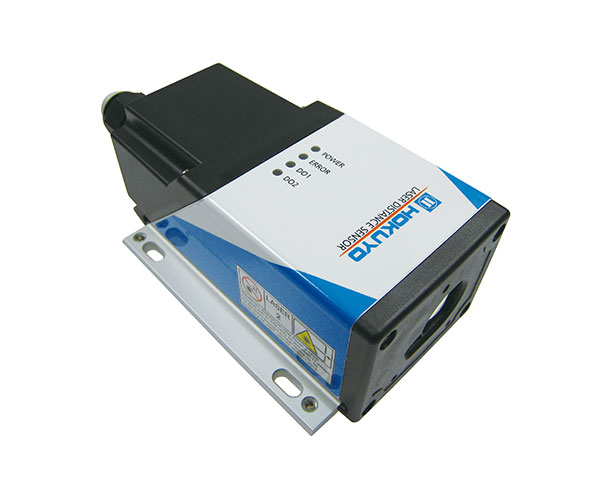
As automation grows, there is an increasing need for systems that can map and understand their surroundings in greater detail. This demand has led to the development of 2D lidar sensors which use laser scanning technology to create accurate, two-dimensional representations of environments. These sensors are particularly useful in robotics and autonomous navigation, where understanding spatial layout is critical. By scanning surroundings rapidly and precisely, they help machines navigate complex areas, avoid obstacles, and perform tasks efficiently. Their reliability has made them a key component in modern intelligent systems.
Applications Across Industries
Sensor technologies are widely adopted across industries due to their versatility. In manufacturing, they ensure quality control and streamline production processes. In transportation, they enhance safety by detecting obstacles and assisting navigation systems. In healthcare, sensors support diagnostic tools and monitoring devices. Robotics heavily depends on sensors to perform tasks with precision and adaptability. The continuous development of sensor technologies has opened new possibilities for innovation, allowing industries to improve productivity while maintaining high levels of safety and accuracy in their operations.
Challenges and Future Developments
Despite their advantages, sensors face certain challenges such as environmental interference, calibration issues, and integration complexity. Factors like dust, temperature changes, and lighting conditions can affect performance. However, ongoing research is focused on overcoming these limitations through improved materials and smarter algorithms. The future of sensor technology lies in increased accuracy, faster processing, and seamless integration with artificial intelligence. As advancements continue, sensors will become even more reliable and capable, driving innovation in automation and intelligent systems worldwide.
Conclusion
Sensor technology continues to transform how machines interact with the world, enabling smarter and more efficient systems. From simple measurement tools to advanced mapping solutions, sensors have become a cornerstone of modern innovation. Their growing capabilities are shaping industries and redefining possibilities in automation. As research and development progress, sensors will play an even more significant role in creating intelligent environments that respond seamlessly to real-world conditions.
Comments
Post a Comment